How to Use Your Hearing Aids
Support
How to Insert and Remove Your Hearing Aids?
Learn the correct way to put on your hearing aids and make sure they remain comfortable, secure, and discreet throughout the day.
Before You Start
If you have two hearing aids, make sure you know which one belongs in each ear. They are marked in blue for the left ear and red for the right ear. These color indicators may appear as text, a dot, or the color of the hearing aid shell. On some hearing aids, the colored markings are hidden inside the battery compartment.
On this page, you will find instructions for three different hearing aid styles:
- Behind-the-ear (BTE) hearing aids.
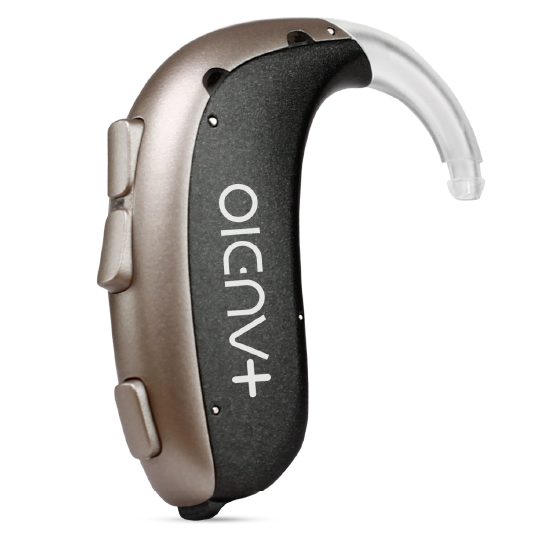
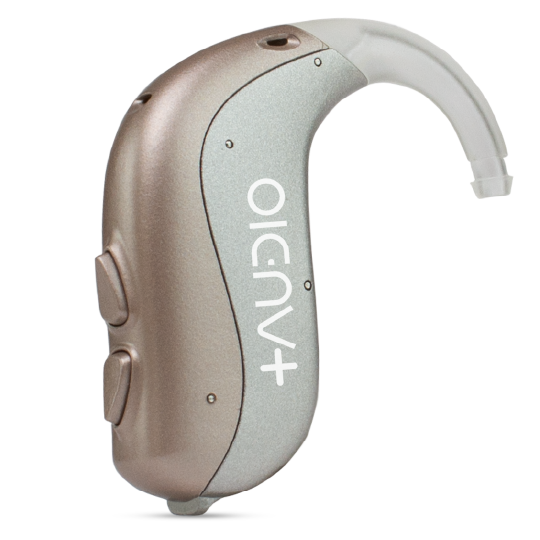
- Behind-the-ear hearing aids with hook and earmold.
- Custom and discreet hearing aids.
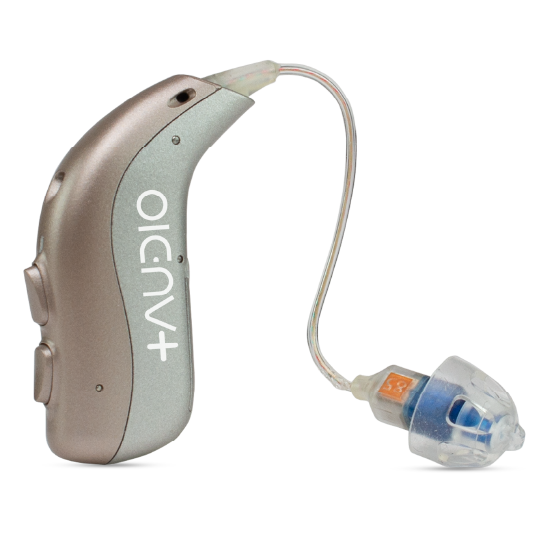
These instructions apply to miniRITE, RITE, miniBTE, and BTE styles that do not use a plastic hook or earmold. These hearing aids sit behind and slightly above the ear.
- Place the hearing aid behind your ear.
- Guide the receiver or thin plastic tube over the top of your ear.
- Hold the bend of the receiver or thin tube between your thumb and index finger.
- The receiver should point toward the opening of the ear canal.
- Gently pull your ear outward and insert the receiver into the ear canal, rotating it slightly if necessary. Follow the natural shape of the ear canal until the hearing aid is fully inserted.
- Gently pull your ear outward and press the earmold into the ear canal, rotating it slightly if needed.
- Place the hearing aid behind your ear.
Estas instrucciones son para los formatos miniBTE y BTE que tienen un gancho de plástico en el que se une el tubo de plástico. Este tipo de
These instructions apply to miniBTE and BTE styles that use a plastic hook connected to a plastic tube and earmold. These hearing aids sit on top of or behind the ear.
- Gently pull your ear outward and press the earmold into the ear canal, rotating it slightly if needed.
- Place the hearing aid behind your ear.
These hearing aids fit entirely inside the visible part of the ear and are custom-made for your ears.
- If your hearing aid has a small removal cord, hold it between your thumb and index finger.
- Make sure the hearing aid is positioned with the colored marker facing upward.
- Place the tip of the hearing aid into the ear canal.
- Gently pull your ear outward and insert the hearing aid into the canal, rotating it slightly if necessary. Follow the natural shape of the ear canal until the hearing aid is fully inserted.
If your hearing aid has a removal cord:
- Hold the cord between your thumb and index finger.
- Gently pull the hearing aid out of your ear.
For other custom hearing aid styles:
- Slide your thumb under the lower edge of the hearing aid.
- Place your index finger on the upper edge.
- Grip the hearing aid between your thumb and index finger and gently pull it outward, rotating it slightly if necessary.
How to Care for Your Hearing Aids
Follow these tips to keep your hearing aids working properly and extend their lifespan.
The small components inside your hearing aids are durable, but like all electronic devices, they can be damaged by impacts.
- Handle your hearing aids over a soft surface whenever possible, rather than over a hard floor.
- When not wearing them, store them safely in a case, charger, or hearing aid dryer.
Because hearing aids are worn against the skin, moisture can accumulate inside the device.
- Regularly check for moisture and allow your hearing aids to dry in a ventilated area, charger, or hearing aid dryer.
- If you use battery-powered hearing aids, open the battery door to improve airflow and drying.
- Take extra care during hot weather or after exercise, when perspiration levels are higher.
Dirt and debris can build up both inside and outside your hearing aids. This may block sound, trap moisture, and affect performance.
- Clean your hearing aids regularly using a dry cloth or tissue.
- Remove any earwax buildup according to your hearing care professional’s recommendations.
+AUDIO hearing aids are designed to withstand rain and sweat.
However, prolonged exposure to water can still cause damage.
- Remove your hearing aids before showering or swimming.
- If they become exposed to moisture or humid conditions, dry them in a ventilated area or hearing aid dryer.
- If you use battery-powered hearing aids, open the battery door to improve drying.
Never use a hair dryer or microwave to dry your hearing aids.
Salt water, sand, and sunscreen can all damage hearing aids.
- Salt water may leave salt crystals inside the device.
- Sand can clog microphone openings.
- Sunscreen may contain chemicals that can damage the hearing aid shell.
To protect your hearing aids:
- Avoid touching them with sandy hands.
- Remove them before applying sunscreen.
- Keep them away from salt water whenever possible.
Some products applied to the skin or hair may damage hearing aids.
Examples include:
- Aftershave lotions
- Hair sprays
- Oils
- Perfumes
- Sunscreens
- Insect repellents
- Ear drops
Apply these products before inserting your hearing aids whenever possible.
High temperatures and direct sunlight can damage hearing aids and even deform their housing.
- Never expose hearing aids to excessive heat.
- Do not leave them inside a hot vehicle.
- Store them away from direct sunlight when not in use.
Cold weather can affect hearing aid batteries and reduce their performance.
Low temperatures may also cause condensation problems.
- Store batteries at room temperature.
- Keep spare batteries in a pocket when outdoors in cold weather.
- If your hearing aids are exposed to moisture, dry them in a ventilated area, charger, or hearing aid dryer.
- Open the battery door on battery-powered models to improve drying.
Turning Your Hearing Aids On and Off
Learn how to operate rechargeable and battery-powered hearing aids.
Before You Start
The method for turning your hearing aids on and off depends on the type of battery they use.
On this page, you will find instructions for:
- Rechargeable hearing aids
- Battery-powered hearing aids
Press and hold the lower part of the control button (or the control button itself) on each hearing aid for approximately two seconds, until the LED light turns green.
Alternatively, once fully charged, hearing aids automatically turn on when removed from the charger.
Your hearing aids are active when you hear two confirmation tones.
Press and hold the lower part of the control button (or the control button itself) on each hearing aid for approximately three seconds.
The hearing aids will play four descending tones to indicate they are powering off.
Note: Rechargeable hearing aids automatically turn off when placed in the charger.
- Make sure a battery is properly inserted into each battery compartment.
- Close the battery door to switch on the hearing aid.
Open the battery door to switch off the hearing aid.
When not using your hearing aids, leave the battery door open to conserve battery life and allow moisture to escape.